Best Describes the Action S of the Ace Inhibitors
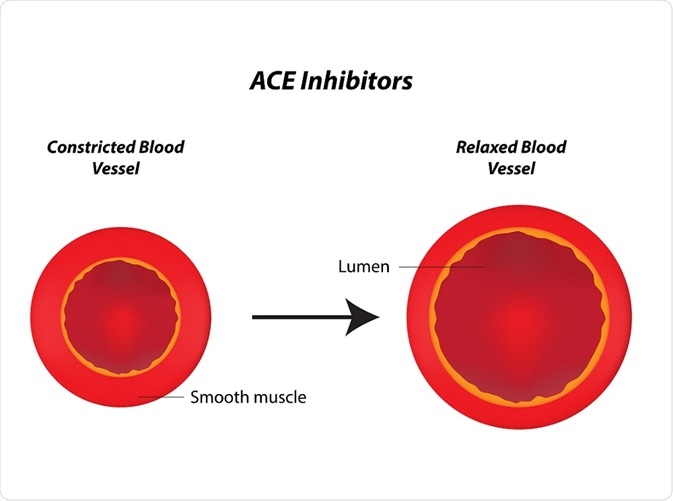
Angiotensin II acts as a potent vasoconstrictor that when inhibited can reduce blood pressure by dilating vessels and decreasing aldosterone secretion. ACE inhibitors and ARBs can suppress the production.
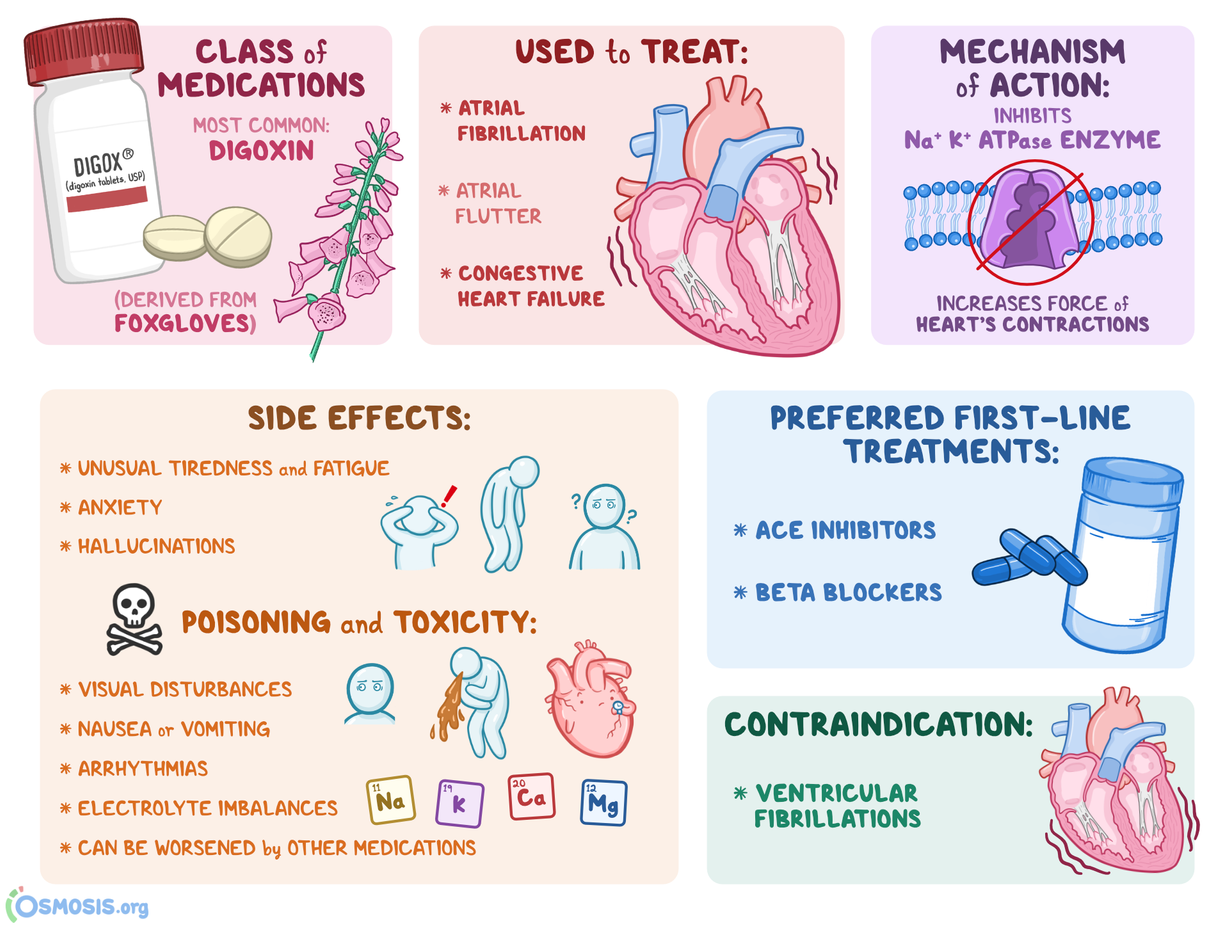
Cardiac Glycosides What Are They What Are They Used For How Do They Work Side Effects And More Osmosis
RAAS is a complex system responsible for regulating the bodys blood pressure.

. Failure to convert angiotensin I to angiotensin II results in relative vasodilation as angiotensin II is a potent vasoconstrictor. This decreases the amount of work the heart has to do. Inhibit the conversion of angiotensin-1 to its more active from angiotensin-2.
List three 3 learning objectives. ACE inhibitors angiotensin converting enzyme inhibitors and ARBs angiotensin-receptor blockers are used to treat high blood pressure hypertension and congestive heart failure to prevent kidney failure in patients with high blood pressure or diabetes and to reduce the risk of stroke. Our knowledge of this field is still limited and more studies are necessary especially to understand the prognostic impact of insulin resistance andor insulin resistance improvementABSTRACT TRUNCATED.
When the heart is failing and not pumping well. Angiotensin II constricts both the afferent and efferent arterioles but preferentially increases efferent. ACE Inhibitors and spironolactone its a potassium-sparing diuretic will both cause the kidneys to retain potassium.
Other slight differences between ARBs and ACE inhibitors can include a decreased risk of. ACE inhibitors counteract or inhibit all of the pharmacological effects of angiotensin-2 so they cause vasodilation decrease aldosterone levels Na fluid wasting K retention. Angiotensin-converting enzyme ACE inhibitors are widely used in the treatment of hypertension.
March 18 2022 ACE inhibitor capsules. ACE inhibitors seem to correct the insulin resistance of hypertensive patients but this effect also appears to be class related more than limited to one ACE inhibitor or another. Angiotensin II receptor blockers ARBs and angiotensin-converting enzyme ACE inhibitors differ the most in the way that they affect the renin-angiotensin-aldosterone RAA system which helps to control blood pressure.
ACE inhibitors decrease vascular resistance decrease preload decrease afterload and increase cardiac output. Angiotensin-converting enzyme inhibitors have been reported to decrease glomerular capillary pressure by decreasing arterial pressure and selectively dilating efferent arterioles. The kidneys release.
The answer is B. Mechanism of Action for ACE Inhibitors ACE Inhibitors work in the lungs to inhibit Angiotensin Converting Enzyme from turning Angiotensin I into Angiotensin II. The effect of angiotensin-converting enzyme ACE inhibitors on renal function in the hypertensive patient is related both to the glomerular actions of angiotensin II and to the mechanism of autoregulation of the glomerular filtration rate GFR 1.
Correct answer C. Physiopedia articles are best used to find the original sources of information see the references list at the bottom of the article. Angiotensin-converting enzyme ACE inhibitors such as captopril Capoten and enalapril Vasotec decrease peripheral vascular resistance and.
Angiotensin Converting Enzyme Inhibitors ACE-I prevent the conversion of angiotensin I to angiotensin II which disrupts the renin-angiotensin-aldosterone system RAAS. Briefly describe the therapeutic actions of drugs affecting blood pressure diuretics ACE inhibitors ARBs CCB sympathetic nervous system drugs. ACE inhibitors decrease cardiac output.
It has been shown that the use of ACE inhibitors prevents the progression of microalbuminuria to overt proteinuria. ACE inhibitors are also used to improve survival after heart attacks. If monotherapy is appropriate in a patient with hypertension and osteoporosis thiazide-like diuretics may have advantages over ACE inhibitors ARBs and calcium.
ACE helps in conversion of angiotensin 1 to angiotensin2 angiotensin2 is a vaso View the full answer. That means they dilate systemic blood vessels and thus help improve blood flow. These medications cause an increase of bradykinin which inhibits kinase II another name for Angiotensin Converting Enzyme.
They have also been effective in a number of other disorders prolonging survival in patients with heart failure coronary heart disease and acute myocardial infarction and slowing the rate of progression in chronic kidney disease particularly diabetic nephropathy. Angiotensin-converting enzyme inhibition provides long. ACE inhibitors are vasodilators.
The advanced practice nurse is updating the plan of care of nursing home patients with hypertension. Ace inhibitors-Briefly describe the mechanism of action physiological role of the medication. 141 or review online when developing objectives.
ACE inhibitors work by interfering with the bodys renin-angiotensin-aldosterone system RAAS. ACEIs work by blocking the production of angiotensin II a potent vasoconstrictor whose production is increased as a result of heart failure. You should implement Blooms Taxonomy Blais Hayes 2011 p.
Therefore it is very important the nurse teaches the patient to limit foods high in potassium. ACE inhibitors are competitive inhibitors of ACE which prevent the conversion of angiotensin I to angiotensin II. Which best describes the action of ACE inhibitors on the failing heart.
59The correct answer is Reduction of blood pressure through reduction in blood volume. ACE inhibitors increase vascular resistance B. Low blood pressure occurs - Kidneys release RENIN into circulation - causes ANGIOTENSINOGEN a protein created and released by the liver to produce ANGIOTENSIN I - then a substance called ANGIOTENSIN - CONVERTING ENZYME ACE converts Angiotensin I to - ANGIOTENSIN II ACE Inhibitors prevent the conversion of Angiotensin I to Angiotensin II.
You need to create one 1 objective for each learning domain cognitiveImage of an icon that. If you believe that this Physiopedia article is the primary source for the information you are refering to you can use the button below to access a. ACE inhibitor inhibits the angiotensin converting enzymeACE.
A patient is taking an ACE Inhibitor and Spironolactone. What is the mechanism of action for ACE inhibitors.

Cv Pharmacology Angiotensin Converting Enzyme Ace Inhibitors

Cv Pharmacology Angiotensin Converting Enzyme Ace Inhibitors
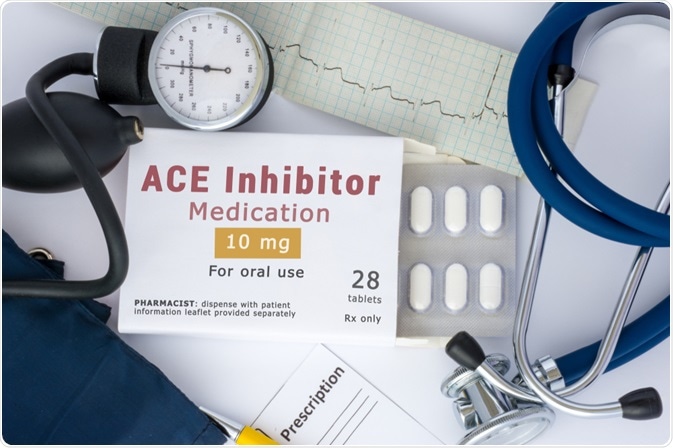
Angiotensin Converting Enzyme Inhibitor Vs Angiotensin Receptor Blockers

Ace Inhibitors Nclex Questions

Preparedness For Natural Disasters Among Older Us Adults A Nationwide Survey Pubmed Nc Trastorno De Estres Postraumatico Tecnologia Medica Dolor Cronico

Ace Inhibitors Congestive Heart Failure Physiopedia

Pdf Statins To Mitigate Cardiotoxicity In Cancer Patients Treated With Anthracyclines And Or Trastuzumab A Systematic Review And Meta Analysis
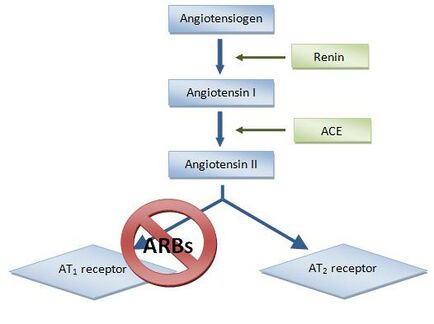
Ace Inhibitors Congestive Heart Failure Physiopedia
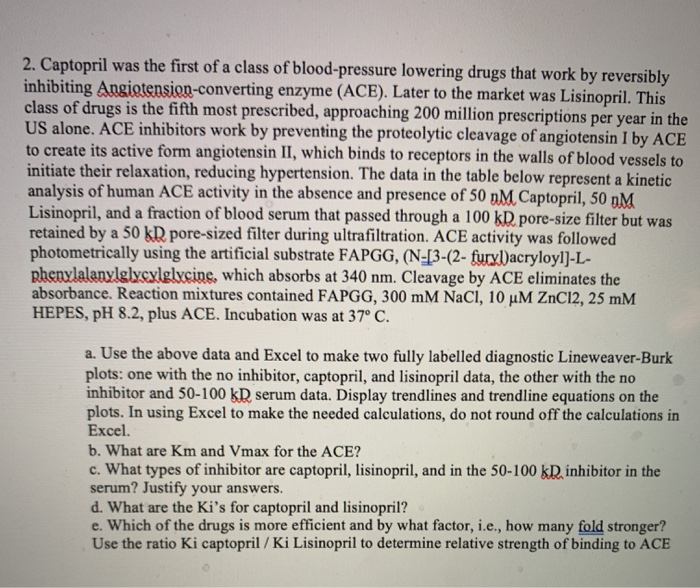
Solved 2 Captopril Was The First Of A Class Of Chegg Com

Module 8 Fig 22 1 The Nursing Process In Action Gif Nursing Process The Nursing Process Nurse Training
Ace Inhibitors Congestive Heart Failure Physiopedia

Ace Inhibitors Mechanism Of Action Side Effects And Precautions
Frontiers Covid 19 And Sars Cov 2 Variants Current Challenges And Health Concern Genetics

Torsemide Vs Lasix Differences Similarities And Which Is Better For You
Ace Inhibitors Mechanism Of Action Side Effects And Precautions

Pin By Timea Juhaszne Csaki On Anatomia Lower Limb Body Joints Pelvic Girdle
Solved 2 Captopril Was The First Of A Class Of Chegg Com

Adrenocortical Tumours Tumor Adrenal Disease Endocrine System

Losartan Vs Lisinopril Differences Similarities And Which Is Better For You


Comments
Post a Comment